
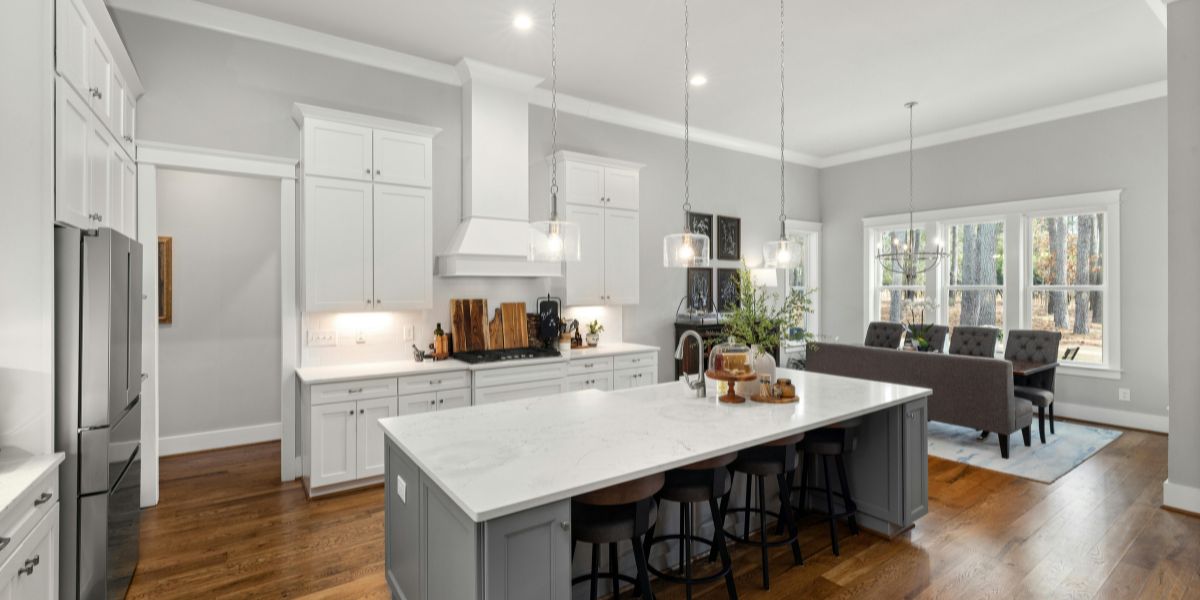
Modern homeowners are thinking differently about the spaces they live in. Homes are no longer viewed simply as places to eat and sleep — they have become multi-functional environments that support work, family life, relaxation, entertainment, and personal well-being. As lifestyles continue evolving, more people are investing in homes that feel intentional, comfortable, and customized around their everyday needs.
This growing focus on functionality and personalization has increased demand for integrated residential construction and renovation services that combine strong design principles with quality craftsmanship.
The Shift Toward Personalized Living Spaces
Many homeowners are moving away from generic floorplans and looking for homes that better reflect their personal routines and lifestyle goals.
Open-concept kitchens, dedicated workspaces, expanded storage, flexible family areas, and stronger indoor-outdoor connections have become increasingly popular features in modern homes.
Working with experienced custom home builders allows homeowners to create spaces tailored specifically to how they want to live rather than relying on standard layouts that may not fully support their needs.
This personalized approach often creates homes that feel more functional and comfortable over the long term.
Why Renovations Continue Growing in Popularity
Rising housing costs and limited inventory in many markets have encouraged more homeowners to renovate existing properties rather than relocate.
Residential renovations provide opportunities to modernize outdated layouts, improve energy efficiency, and increase property value while maintaining the location and character homeowners already enjoy.
Professional home renovation contractors help homeowners reimagine existing spaces through thoughtful planning, updated layouts, and high-quality construction that aligns with modern living expectations.
Many people now view renovations as long-term investments that improve both daily comfort and future resale value.
The Benefits of the Design-Build Approach
Traditional residential projects often involve multiple separate companies handling architecture, design, and construction independently. While this process can work, it sometimes creates communication gaps and delays between project phases.
The design-build model simplifies project coordination by bringing planning, design, and construction together under one integrated team.
This collaborative approach helps improve communication, streamline timelines, and create more cohesive project outcomes from start to finish.
Homeowners often appreciate having one coordinated team managing the entire process rather than juggling multiple contractors and consultants separately.
Why Functionality Matters in Modern Homes
Today’s homes are expected to support much more than visual appeal alone. Homeowners increasingly prioritize practical features that improve organization, efficiency, and flexibility throughout daily life.
Functional layouts help maximize usable space while improving flow between rooms and supporting changing family needs over time.
Many modern projects also incorporate smart-home features, energy-efficient systems, and multi-purpose spaces designed to adapt as lifestyles evolve.
This balance between aesthetics and functionality has become one of the defining priorities of contemporary residential design.
The Role of Craftsmanship in Long-Term Value
Quality craftsmanship plays a major role in both the appearance and durability of a home. Attention to detail during construction affects everything from structural performance and material longevity to overall visual consistency.
High-quality workmanship helps create spaces that continue performing well for years while maintaining strong design appeal.
Homeowners increasingly recognize that investing in skilled construction and thoughtful design often contributes to better long-term satisfaction and property value.
How Interior Design Trends Are Evolving
Residential design trends continue shifting toward cleaner lines, warmer textures, and more natural materials. Homeowners are embracing spaces that feel bright, calming, and connected to daily comfort rather than overly formal or complicated.
Natural light, minimalist layouts, sustainable materials, and neutral palettes have become increasingly common in modern residential projects.
At the same time, many homeowners still want personalized details that reflect individual style and create more meaningful living environments.
The Importance of Collaboration During Residential Projects
Building or renovating a home is often both a financial and emotional investment. Strong communication between homeowners, designers, and builders is essential for creating successful outcomes.
The design-build process encourages collaboration throughout every phase of the project, helping homeowners stay informed and involved in important decisions.
This collaborative approach often reduces misunderstandings while creating stronger alignment between the homeowner’s vision and the finished result.
Creating Homes That Support Long-Term Living
Modern residential design increasingly focuses on long-term livability rather than short-term trends alone.
Homeowners want spaces that remain functional, comfortable, and adaptable over time. This includes flexible layouts, durable materials, efficient systems, and thoughtful planning that supports future needs as families and lifestyles change.
Well-designed homes often create better daily experiences while also contributing to stronger long-term property value.
The Value of Professional Residential Construction Services
Residential construction projects involve many moving parts, including design coordination, budgeting, permitting, scheduling, and craftsmanship.
Professional design build services help homeowners navigate these complexities through integrated planning and construction management focused on creating cohesive residential spaces.
This streamlined approach often helps reduce project stress while improving communication and overall project efficiency.
The Future of Residential Design and Construction
The future of residential construction will likely continue emphasizing personalization, sustainability, efficiency, and lifestyle-focused functionality.
Homeowners increasingly want homes that support modern living while remaining adaptable for future needs. Integrated design-build services are well positioned to meet these expectations through stronger collaboration and more customized project planning.
As residential design continues evolving, thoughtful planning and quality craftsmanship will remain essential in creating homes that feel functional, welcoming, and deeply connected to the people who live in them.